In today's fast-paced world, our vehicles are indispensable. They not only serve as a mode of transportation but also represent a significant investment. One crucial aspect often overlooked is the automotive glass that protects us from the elements and keeps us safe on the road. In this comprehensive article, we’ll delve deep into understanding the different types of automotive glass, their functions, and what to do when you need repair.
What is Automotive Glass?
Automotive glass is more than just a transparent barrier; it's engineered to provide safety, comfort, and visibility. It includes various components such as windshields, side windows, rear windows, and sunroofs.
Types of Automotive Glass
There are primarily two types of automotive glass: laminated glass and tempered glass. Each has its own unique characteristics suited for specific applications.
1. Laminated Glass
Laminated glass consists of two or more layers of glass with an interlayer made from polyvinyl butyral (PVB). This construction offers several advantages:
- Safety: If shattered, the glass fragments adhere to the interlayer, reducing the risk of injury. Sound insulation: The PVB layer also helps in dampening noise from outside. UV Protection: Laminated glass blocks harmful UV rays.
Uses of Laminated Glass
The most common use for laminated glass is in windshields. Its safety features make it ideal for protecting passengers during collisions.
2. Tempered Glass
Tempered glass undergoes a heating and cooling process that makes it much stronger than regular glass.
- Strength: It’s four to five times stronger than standard glass. Safety upon breakage: Instead of shattering into sharp shards, it breaks into small pieces that reduce injury risk.
Uses of Tempered Glass
Tempered glass is typically used in side windows and rear windows due to its ability to withstand impact.
Comparing Laminated vs. Tempered Glass
Here's a quick comparison table:
| Feature | Laminated Glass | Tempered Glass | |-------------------------|-----------------------------------|-----------------------------------| | Safety | High (fragments stay attached) | Moderate (breaks into small pieces) | | Strength | Moderate | High | | Common Uses | Windshields | Side/rear windows | | Noise Reduction | Yes | No | | UV Protection | Yes | No |
The Importance of Quality Automotive Glass
When it comes to your vehicle's safety and aesthetics, quality automotive glass plays a vital role:
- It enhances visibility. It provides structural integrity. It contributes to overall vehicle safety ratings.
Understanding the Different Types of Automotive Glass in Vehicles
Every part of your car has specific requirements for performance and safety. Let’s explore how different types affect various components.
Windshields: The Most Critical Piece of Auto Glass
Windshields are made primarily from laminated glass due to their essential role in passenger protection and structural support.
Windshield Features
Acoustic Interlayer: Helps reduce noise while driving. Solar Control Coating: Reflects sunlight to keep your vehicle cooler. Heated Windshield Technology: Prevents frost build-up during winter months.Side Windows: Functionality Meets Design
Side windows usually consist of tempered glass because they require both strength and aesthetic appeal.
Features of Side Windows
Tint Options: Available in various shades for privacy. Power Window Mechanism: Often equipped with power lifts for convenience. Shatter Resistance: Essential for passenger safety during side impacts.Rear Windows: Aesthetic and Practical Importance
Similar to side windows, rear windows utilize tempered glass primarily due to design considerations and strength needs.
Key Characteristics
Rear defrosters integrated into the window. Often designed with curves for aerodynamics. May come tinted for added privacy.Mobile Auto Glass Repair Near Me: Convenience at Your Fingertips
When you encounter chips or cracks in your auto glass, finding a reliable repair service becomes paramount.
Why Choose Mobile Auto Glass Repair?
Mobile auto glass repair services offer numerous benefits:
- Convenience: Technicians come directly to your location—home or work. Time-Saving: Avoid waiting in shops; repairs happen on-site. Expertise: Professionals arrive equipped with tools tailored for mobile repairs.
Common Issues with Automotive Glass
Automotive glass can suffer from various problems over time due to wear and tear or environmental factors:
1. Chips
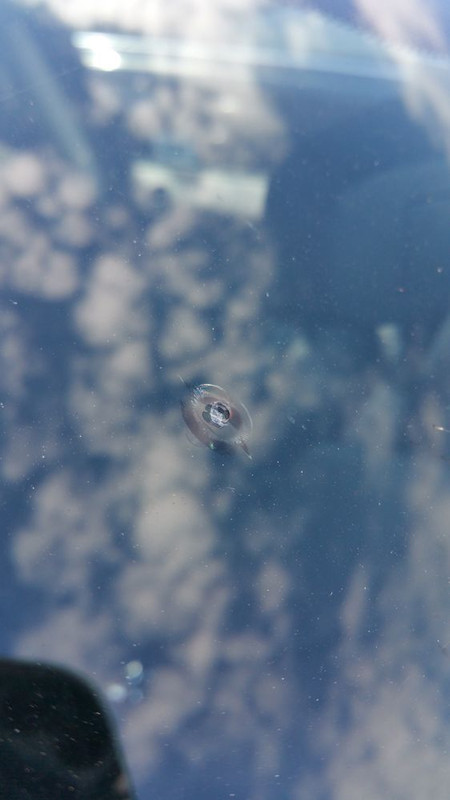
Chips are often caused by flying debris on the highway or loose gravel on back roads. They can lead to larger cracks if not repaired quickly.
2. Cracks
Cracks can form due to temperature changes or stress points within the frame of the car window itself—higher temperatures may expand materials while cold weather may cause them to contract unexpectedly.
3. Scratches
While minor scratches might seem harmless, they can impair visibility significantly if left unaddressed over time.
Car Window Repair Near Me: Quick Solutions at Your Service
Finding efficient car window repair services nearby ensures you're back on track promptly without compromising safety standards.
1. Identifying Damage Early
Regularly inspect your auto glass after harsh weather conditions or road trips; catching damage early can save you time and money in repairs down the line!
2. When To Seek Professional Help?
As soon as you notice any chips larger than a quarter or cracks longer than three inches! It's crucial not just because they obstruct vision but also because they compromise integrity—making them dangerous during accidents!
FAQs About Automotive Glass
Here are some frequently asked questions regarding automotive glass:
Q1: How much does auto glass repair typically cost?
A1: Costs vary depending on damage extent but generally range between $50-$150 for minor chips; complete windshield replacements may run upwards from $200-$600!
Q2: Can I drive my car with cracked windshield?
A2: It's highly discouraged! Cracks can impair visibility leading potentially dangerous situations while driving—better safe than sorry!
Q3: How long does auto window repair take?
A3: Minor repairs often take about 30 minutes - an hour; however replacing entire windshields could take longer depending on technician availability & scheduling!
Q4: Is insurance coverage available for auto-glass replacement?
A4: Many comprehensive insurance policies cover full replacements so check your policy details prior proceeding with repairs!
Q5: What should I do if my windshield gets damaged?
A5: First assess damage genuinely then contact local professionals specializing specifically either through online searches like “auto glass repair near me” or “mobile auto-glass repair near me” for quick assistance!
Q6: How can I prevent future damage?
A6: Regular maintenance checks coupled with cautious driving habits will undoubtedly help minimize risks associated foreseeable accidents causing potential harm towards vehicle glazing structures!
Conclusion
Understanding the different types of automotive glass is crucial not only for vehicle safety but also impacts aesthetics and functionality across all parts involved! By knowing when & where including searching keywords like "car window repair near me" or "mobile auto-glass repair near me," drivers ensure they maintain optimal conditions ensuring longevity throughout every journey undertaken! Always prioritize quality repairs backed by skilled technicians committed towards providing excellence consistently through each task accomplished successfully!
With this knowledge at hand regarding various kinds available along with auto glass repair near me their applications ultimately leads towards making informed decisions promoting well-being ultimately safeguarding lives everywhere encountered down life's winding paths ahead!